
Before the surgery
Starting my apprenticeship
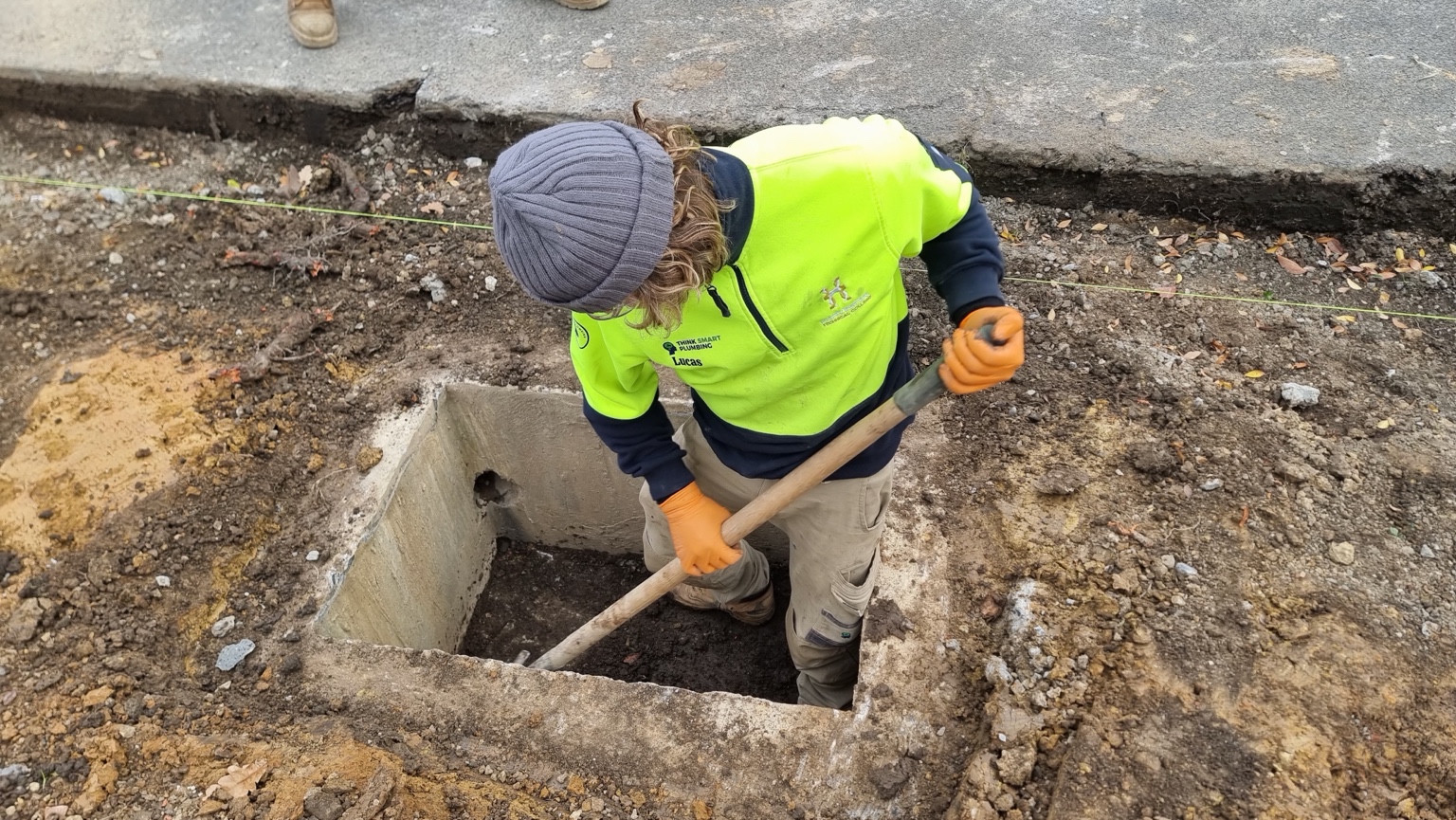
After leaving high school, I started my plumbing apprenticeship. I’d been self-conscious about my height and had made a plan to have the surgery from the age of 16. Working in plumbing became part of how I saved towards that goal.
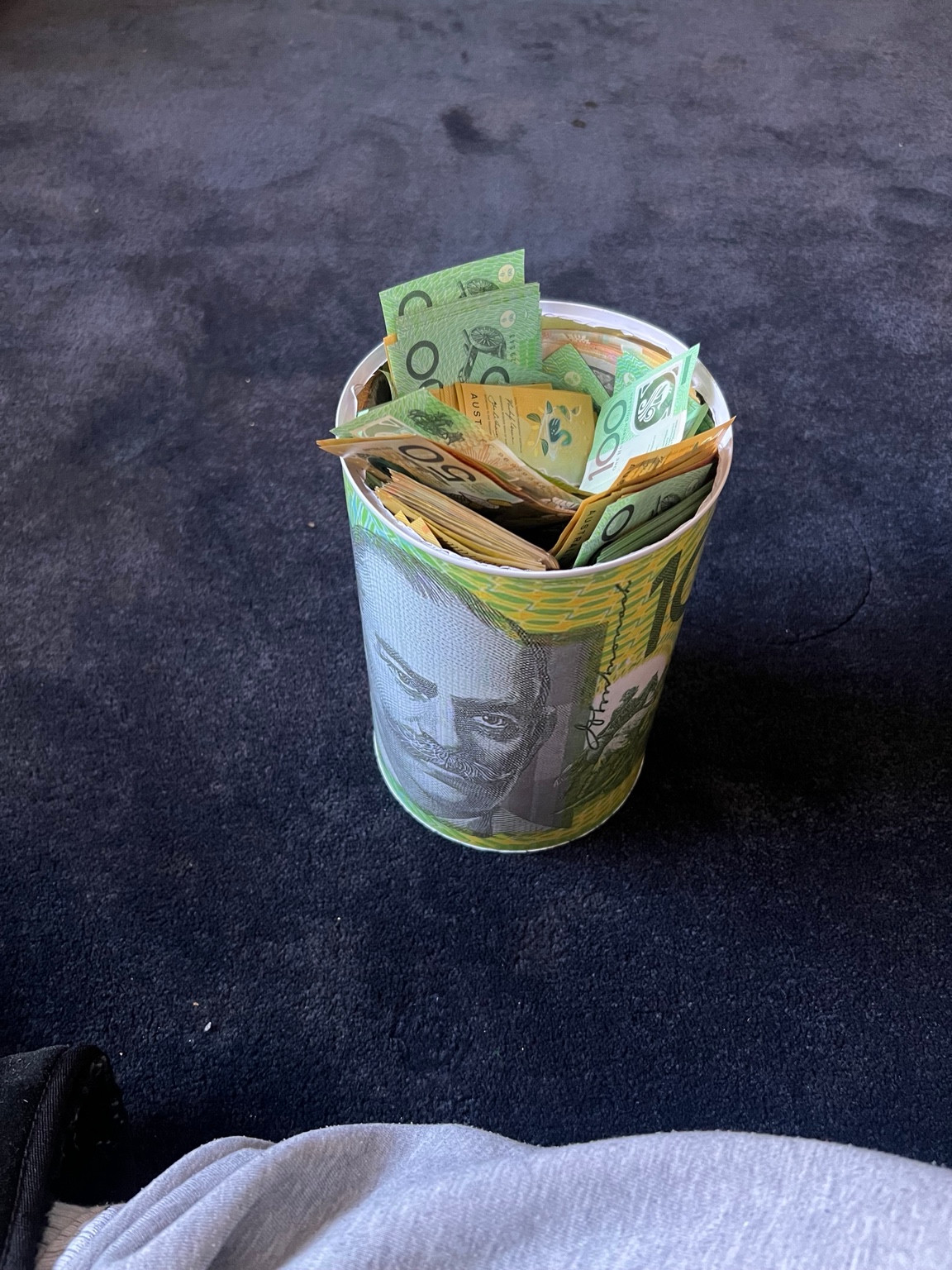
I was paid on the books and earned around $800 each pay. As soon as it came in, I’d withdraw $750 and put it straight into my savings tin that same day. The sooner I put it away, the better. If I left it sitting in my account, it was too easy to spend.
Saving for the surgery
The money in this tin was what I was putting aside for the surgery. Having the goal was one thing; saving enough to actually go overseas and do it was another. It took planning around the cost of the surgery, time away from work and the recovery afterwards. This was part of the preparation behind my journey, long before the operation itself.

Keeping track of my progress
I printed out this heart tracker and coloured in one heart for every $1,000 I saved. It was a simple way to keep track of what was in the tin and see my progress towards the goal. The photo here shows the exact template I used.
Keeping my goal private
I chose to keep my savings goal private. I was worried about being talked out of it or having that money become something other people relied on. My advice is to be selective about who you tell and set clear boundaries around your savings, while keeping trusted support around you.
Planning beyond the operation.
Having the money for the operation is only part of the planning. You also need to consider time away from work, living costs during recovery, follow-up and later implant-removal arrangements. For me, the lengthening phase took roughly four months. Your own healing and return-to-work plan need to be confirmed by your treating team. I go through this in more detail in my blueprints.